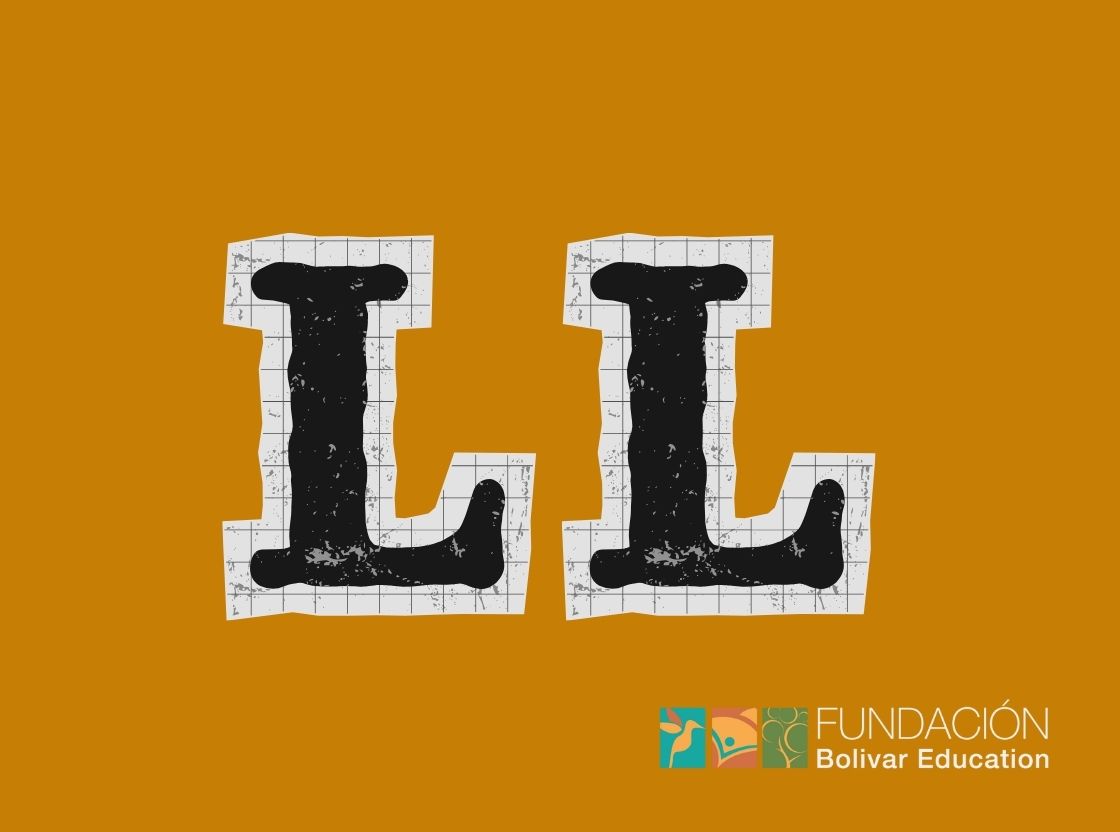
La letra “LL” o doble ele ha sido, por mucho tiempo, una de las más curiosas y representativas del idioma español. Todos los que estudiamos en la escuela antes del 2010 la recordamos como una *letra individual del abecedario español. Sin embargo, en ese año, la *Real Academia Española (RAE) decidió que la doble ele ya no sería considerada una letra independiente, sino un dígrafo, es decir, una combinación de dos letras que representan un solo sonido.
Para muchos hablantes nativos, este cambio resultó sorprendente, ya que durante años aprendimos que la “LL” era una letra más del abecedario. Aun así, su presencia en el idioma sigue siendo fundamental: aparece en palabras tan comunes y bonitas como llave, cabello, amarillo o llama.
Un sonido, tres pronunciaciones
Uno de los aspectos más fascinantes de la “LL” es que *no suena igual en todos los lugares. Su pronunciación varía dependiendo del país e incluso del contexto social o económico. En español, existen *tres formas principales de pronunciarla:
- Yeísmo:
Es la pronunciación más común hoy en día. La “LL” suena igual que la letra “Y”. Por ejemplo, llave y yate se pronuncian de la misma manera. - Lateral palatal:
En esta forma más tradicional, la “LL” suena como una mezcla entre la “L” y la “I”. Es una pronunciación más clara y diferenciada, que todavía se conserva en algunas regiones de España y de América Latina. - Sheísmo:
En países del sur de Sudamérica, como Argentina o Uruguay, la “LL” (y también la “Y”) se pronuncian como una combinación de los sonidos “sh” o “zh”, parecida a la “sh” del inglés (show).
Una misma letra, muchas identidades
En nuestras clases de español, siempre enseñamos a los estudiantes que ninguna pronunciación es mejor que otra. Cada una refleja la riqueza, diversidad y evolución del idioma español en los distintos países hispanohablantes.
La “LL” es, sin duda, un ejemplo perfecto de cómo una simple letra puede contar la historia de la lengua y su gente.
The Letter “LL”: A Gem of the Spanish Language
The letter *“LL”, or *double L, has long been one of the most fascinating and distinctive features of the Spanish language. Those of us who studied Spanish before 2010 remember it as a *separate letter in the alphabet. However, in that year, the *Royal Spanish Academy (RAE) decided that the double L would no longer be considered an independent letter, but rather a digraph—a combination of two letters that represent a single sound.
For many native speakers, this change was surprising, since we grew up learning that “LL” was a letter on its own. Nevertheless, it continues to play an important role in the language, appearing in everyday words such as llave (key), cabello (hair), amarillo (yellow), and llama (flame or llama).
One Letter, Three Pronunciations
One of the most fascinating aspects of “LL” is that *it doesn’t sound the same everywhere. Its pronunciation varies depending on the country, and sometimes even on social or economic background. In Spanish, there are *three main ways to pronounce it:
- Yeísmo (Y-sound):
This is the most common pronunciation today. The “LL” sounds the same as the letter “Y.” For example, llave and yate are pronounced alike. - Palatal lateral (Traditional sound):
In this more traditional form, “LL” sounds like a soft combination of “L” and “I.” This pronunciation is still found in certain regions of Spain and Latin America. - Sheísmo (SH-sound):
In southern South American countries such as Argentina and Uruguay, “LL” (and also “Y”) is pronounced like “sh” or “zh,” similar to the “sh” in show.
One Letter, Many Identities
In our Spanish classes, we always remind students that no pronunciation is better than another. Each one reflects the richness, diversity, and evolution of the Spanish language across different regions.
The “LL” is, without a doubt, a perfect example of how a single letter can tell the story of a language and its people.
📣 Una nota de nuestra escuela / A note from our school
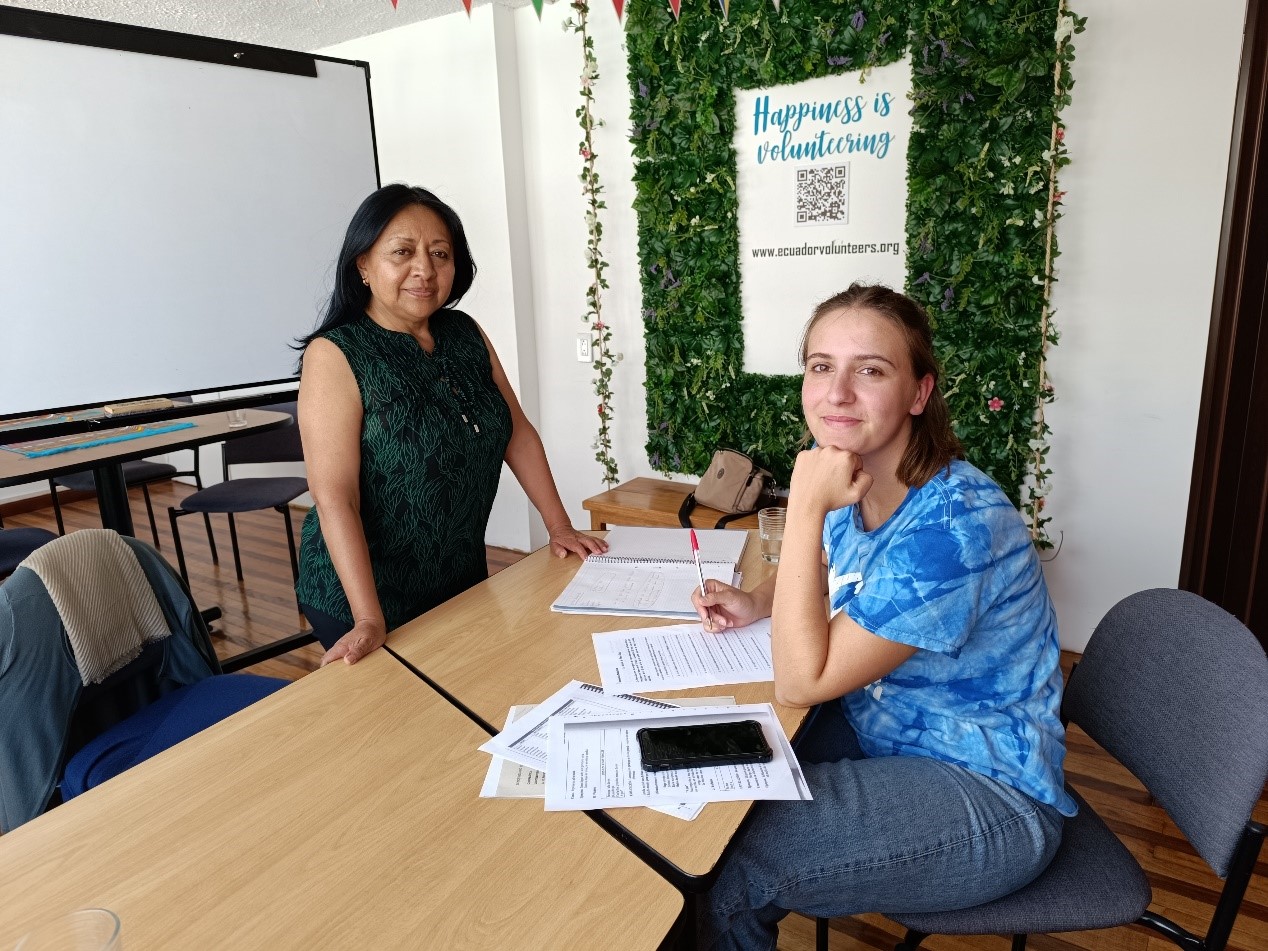
En Fundación Bolívar Education – Simon Bolivar Spanish School enseñamos estos matices de pronunciación con docentes nativos desde Quito. Nuestros programas te permiten comprender y practicar las variaciones del español de forma divertida y natural. Visita nuestra página web para más información: https://simon-bolivar.com/.
At Fundación Bolívar Education – Simon Bolivar Spanish School we teach these pronunciation nuances with native instructors based in Quito. Our programs let you understand and practice Spanish variations in a fun, natural way. Visit our website for more information: https://simon-bolivar.com/.